Poland to Allow Treated Wastewater for Cooling Power Plants
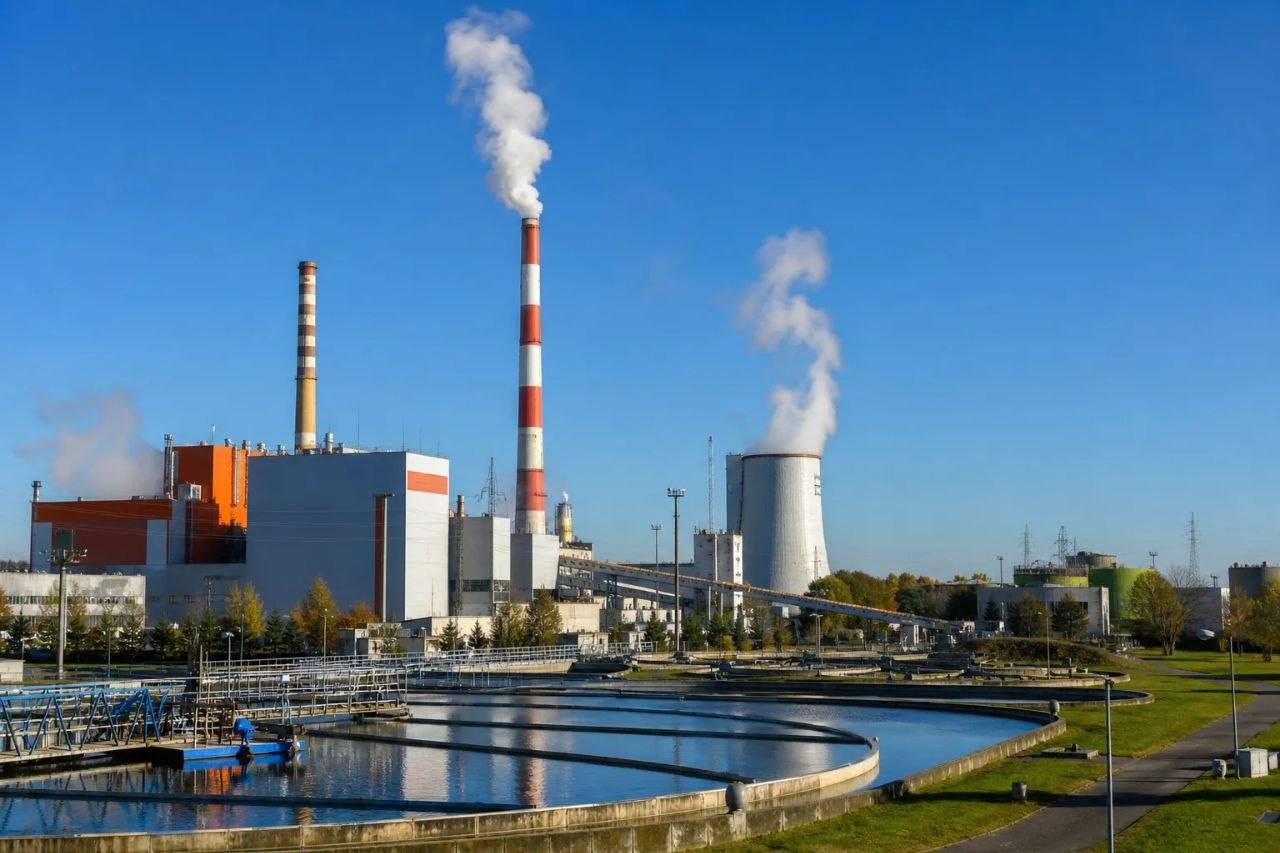
Starting in 2027, Polish power plants and combined heat and power plants will be permitted to use reclaimed municipal wastewater for cooling to reduce freshwater use and bolster drought resilience.
Poland will allow power plants and combined heat and power (CHP) plants to use treated municipal wastewater for cooling starting January 1, 2027. The regulatory change is intended to reduce freshwater consumption and strengthen the country's energy system against prolonged drought.
The policy responds to increasingly frequent summer heat waves and rainfall shortages across the country. In recent years, water levels in many Polish rivers have fallen to record lows during the warmer months, forcing some thermal power plants to curtail output because of limited cooling water supplies. By permitting reclaimed wastewater, officials aim to ease pressure on river systems and maintain stable electricity generation when natural water sources run short.
The regulation applies to both conventional power stations and CHP facilities, which generate electricity and heat simultaneously. The move marks a shift toward greater water reuse in Poland's energy infrastructure as climate conditions become less predictable and water scarcity threatens reliable operations.
https://t.me/ukraina_polsha/10219