Baltic Sea Drone Recovery Baffles Polish Military With X-Ray-Resistant Casing
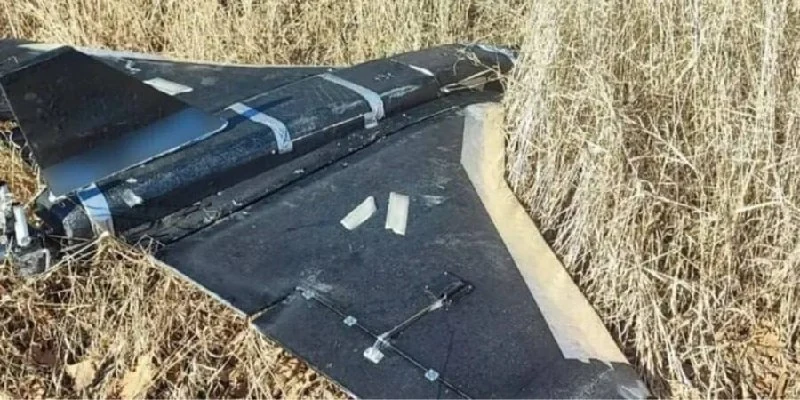
A nearly intact drone recovered from the Baltic Sea off Poland cannot be examined via X-ray due to its opaque casing, prompting military analysts to seek alternative inspection methods for what may be an upgraded Russian Gerbera variant.
Polish military investigators are unable to X-ray a drone recently recovered from the Baltic Sea because its casing blocks radiation, forcing them to pursue alternative forensic methods to determine its origin and capabilities.
The unmanned aerial vehicle was pulled from the water nearly intact in recent days, according to Polish defense sources. Its exterior material prevents standard radiographic imaging, a feature that suggests deliberate design to thwart technical exploitation.
Preliminary assessments indicate the device may represent a new, more advanced iteration of the Russian Gerbera loitering munition. While the recovered unit lacks a conventional warhead, it contains an explosive self-destruction charge intended to destroy sensitive components upon capture or crash.
Polish defense specialists are now coordinating with technical units to employ non-invasive scanning techniques and component-level analysis. The findings could provide insight into evolving Russian drone manufacturing, materials science, and operational doctrines in the Baltic region.
The recovery underscores the growing density of unmanned systems operating near NATO's eastern flank and the challenges of attributing and analyzing platforms designed with counter-exploitation measures.
https://t.me/ukraina_polsha/10313