Poland's Birth Rate Decline Halts for First Time in Eight Years
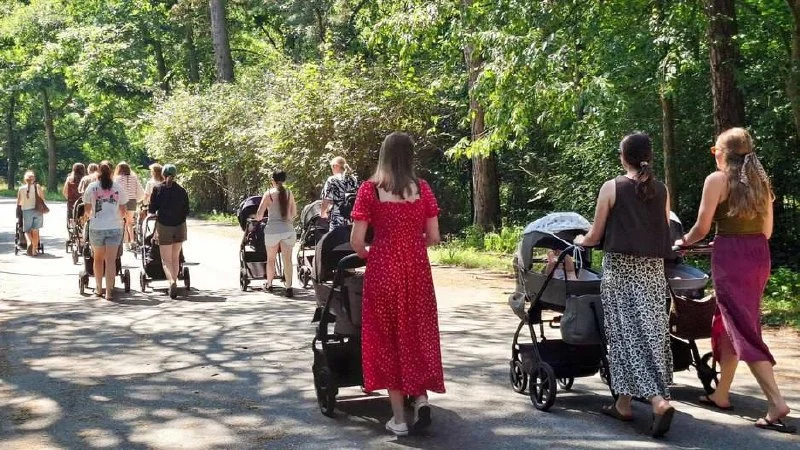
Polish births have nearly stopped falling after an eight-year decline, with the fertility rate expected to edge up to about 1.11 in 2026.
Poland’s birth rate has stopped falling for the first time in eight years, according to data from the country’s Central Statistical Office (GUS). During the first half of 2026, the number of newborns barely changed on an annual basis, falling only from 237,300 in January to 237,200 in June. The near-flat readings suggest the prolonged decline is bottoming out.
Rzeczpospolita reports that the fertility rate could climb from 1.07 to around 1.11 in 2026. If confirmed, it would be the first increase since the 2017 peak, when 403,700 children were born, the highest level recorded in the country.
Since then, births have dropped to nearly 240,000 annually, even as the government channelled more than 400 billion zloty into support schemes such as '500/800+' and expanded early-childhood care by opening roughly 3,000 nurseries. Analysts say the recent stabilisation reflects slowing inflation, lower housing costs, and a gradual social adjustment after the COVID-19 pandemic and Russia’s full-scale invasion of Ukraine.
https://t.me/ukraina_polsha/10168