Ukrainian Sea Drones Reshape Naval Warfare, Attract Global Partnerships
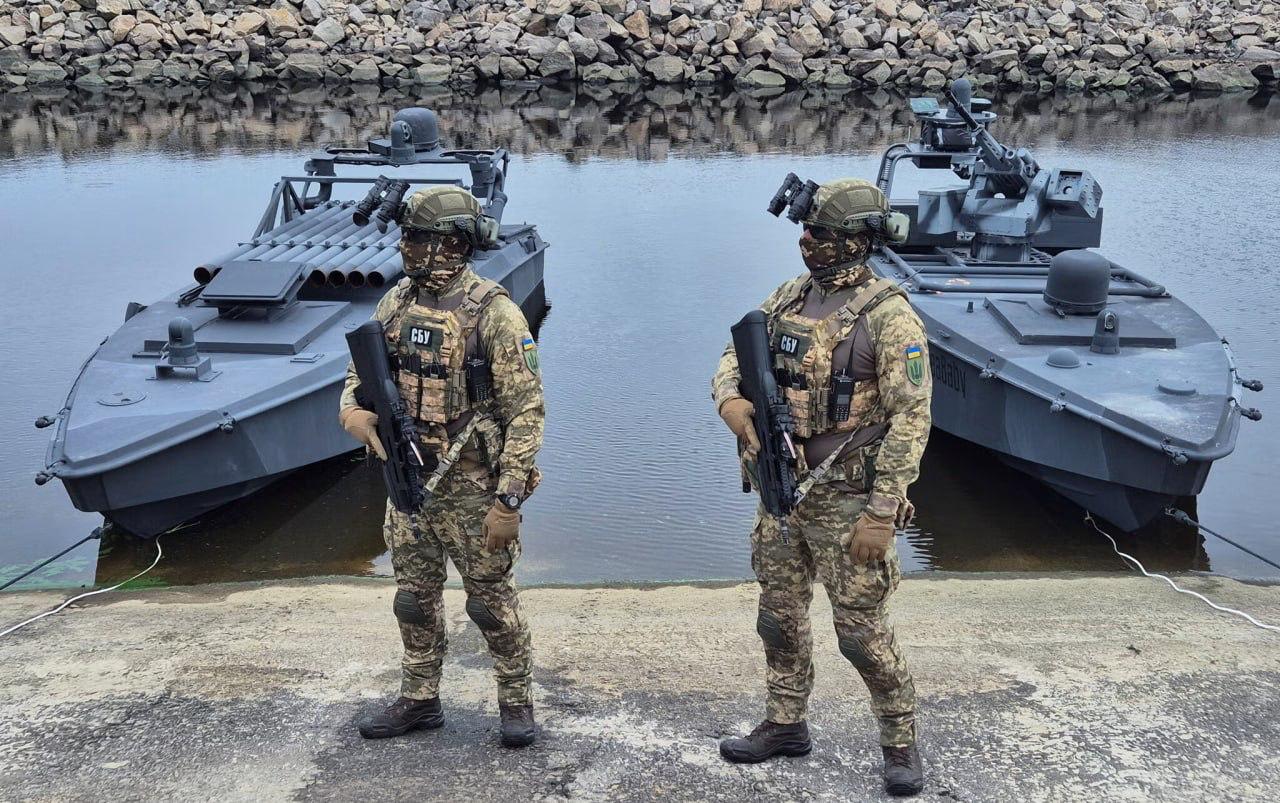
Ukrainian naval drones armed with anti-aircraft missiles have sunk a third of Russia's Black Sea Fleet and are now being exported and co-produced with Western defense firms, signaling a shift in maritime warfare.
Ukrainian naval drones armed with anti-aircraft missiles now patrol the Black Sea, capable of downing enemy jets and ferrying strike drones to targets, reversing early-war Russian naval dominance. Kyiv’s campaign has sunk about a third of Russia’s Black Sea Fleet. In a first, an unmanned boat landed a remote-controlled armed ground vehicle on Crimea, which Ukraine called the first fully robotic amphibious assault.
The breakthrough has drawn global military attention. “Countries look to Ukraine as an example of how to use its experience in their naval forces,” said Emma Solsbury of the Foreign Policy Research Institute. Twenty-seven Ukrainian firms are testing new platforms. “For the cost of one warship, water drones can secure a small country,” said Denis Kanin, director of the Ukrainian Association of Unmanned Naval Forces.
Commercial partnerships are accelerating. UFORCE, producer of the Magura kamikaze drone, agreed to a U.S. joint venture. Norway’s Kongsberg opened a Kyiv office and partnered with Sargan; Scandinavian, Baltic, and Japanese firms also seek deals. “Since drones began sinking Russian ships, nations including Persian Gulf states have asked to buy or build them,” said Kirill Budanov, head of Ukraine’s presidential administration.
Russia is responding by constructing its first sea-based drone port in Crimea, with dug-in shelters for mass launches of BEK drones, underscoring the expanding unmanned arms race. Proven in GPS-denied combat, the low-cost, scalable Ukrainian systems integrate air, sea, and land robots. Next up: heavy long-range armament.
https://t.me/AnatoliyAmelin/16921