US Typhon Missile System Remains Near China at Japanese Base
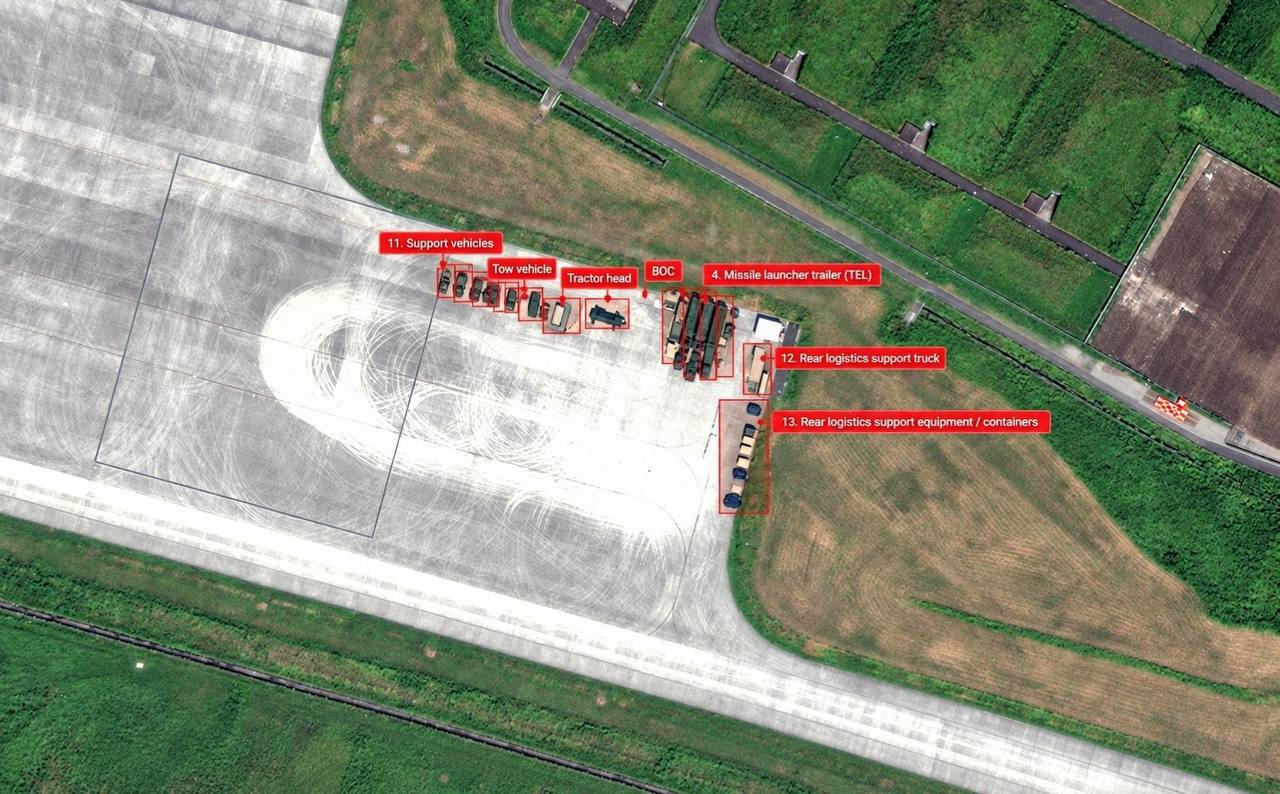
Chinese satellites confirm the US Typhon ground-based missile system remains deployed at Kanoya Air Base in Japan's Kagoshima Prefecture, capable of launching Tomahawk cruise missiles and SM-6 interceptors, altering the regional military balance.
Chinese satellites confirm the US Typhon ground-based missile system remains at Kanoya Air Base in Japan's Kagoshima Prefecture. Capable of launching Tomahawk cruise missiles and SM-6 interceptors, the system turns the base into a forward node for US long-range strike in the western Pacific.
The deployment shifts the regional balance, giving Washington additional leverage against China. After the "Orient Shield 26" exercises, the complex is slated for withdrawal from Kanoya and relocation to Kadena Air Base on Okinawa for storage by mid-October. US officials insist the move is not permanent and no dedicated Typhon combat unit will be established.
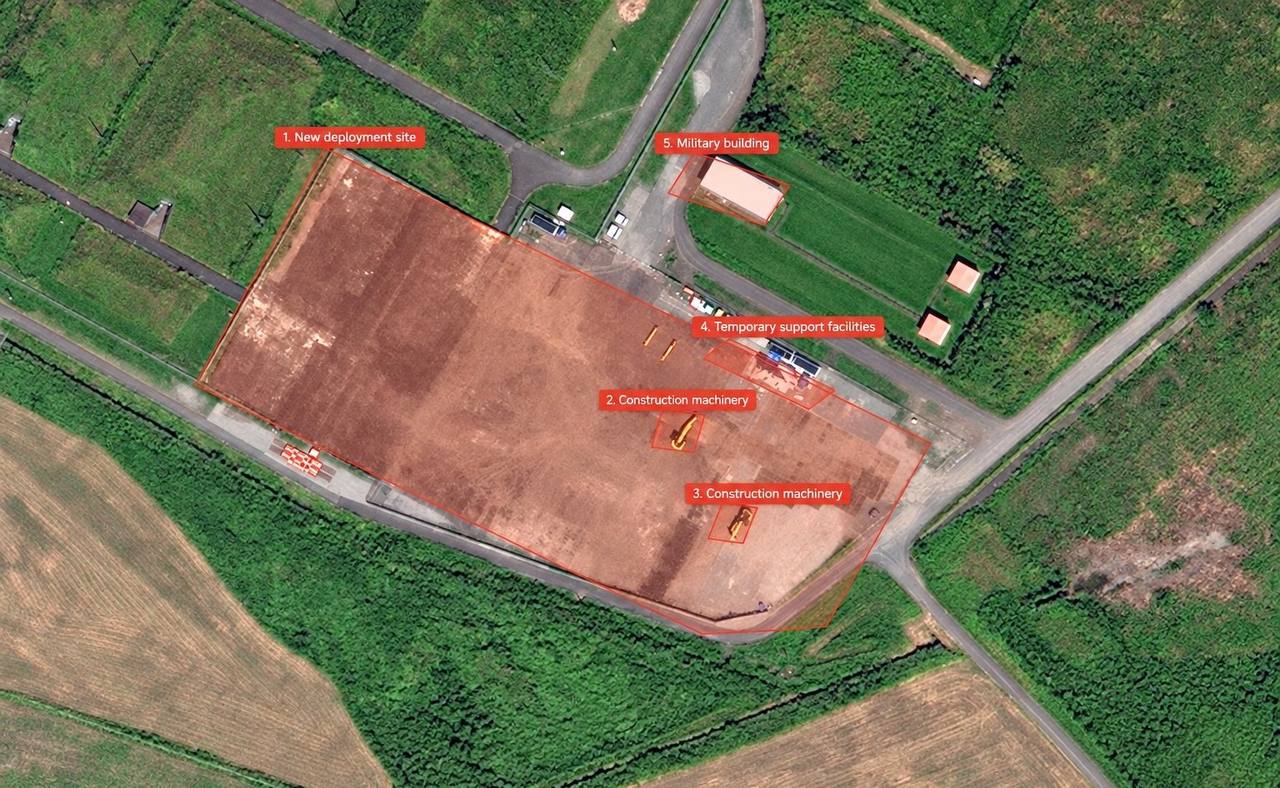
Yet recent satellite photos show ongoing construction adjacent to the current deployment zone at Kanoya, indicating infrastructure preparation that could support further deployment of US missile systems. The activity contradicts assurances of a temporary presence and raises questions about long-term US force posture.
The Typhon, developed under the US Army's Mid-Range Capability program, fills a gap left by the INF Treaty's demise. Its presence in Japan marks the first overseas deployment of a ground-based launcher capable of firing both land-attack and anti-ship missiles since the Cold War, underscoring deepening US-Japan defense cooperation amid rising tensions over Taiwan and the East China Sea. Beijing has condemned the deployment as a destabilizing provocation.
https://t.me/AnatoliyAmelin/16883
Related timeline
No related articles or dates yet.